Dominoes Techniques for Smarter Planning
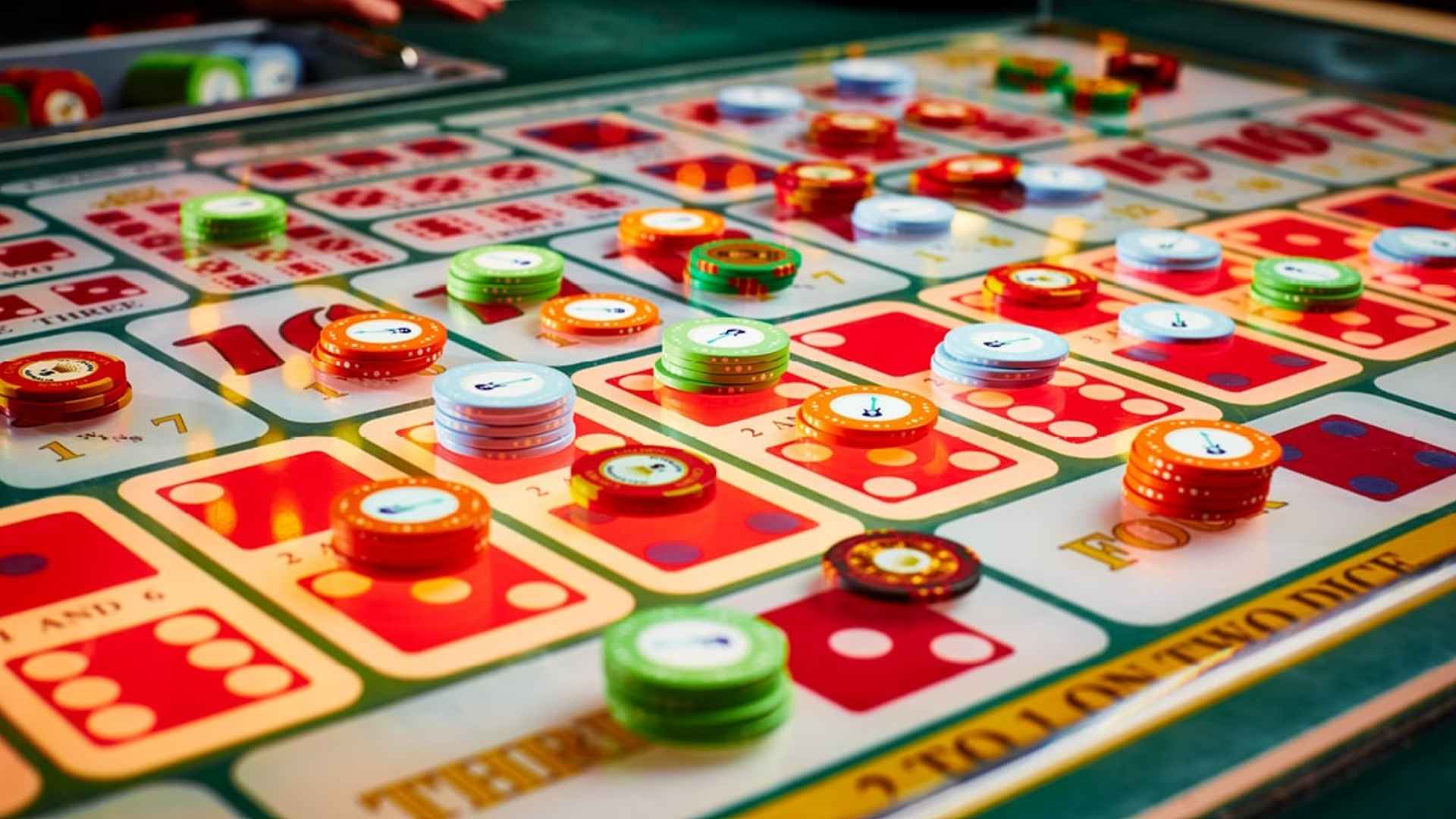
Dominoes is far more than a simple matching game played in casual settings. To truly master the table, players must learn how to think several steps ahead and treat each hand as a puzzle requiring meticulous planning. Transitioning from reactive moves to deliberate strategy will dramatically shift the odds in your favor during intense matches.
Evaluating Your Opening Hand Intelligently
The foundation of any successful match starts the moment you draw your initial set of tiles. Experienced players evaluate their hands not just by the raw pip values, but by the diversity of suits they hold. Having a balanced selection of numbers prevents you from being easily blocked early in the game.
If you find yourself with an abundance of a single suit, this can be used as a powerful defensive weapon. You can strategically steer the board toward this number to force your opponents into drawing from the boneyard. Learning to read your hand's hidden potential is the first step toward masterly execution.
Controlling the Board Flow and Pace
Establishing control over the layout early in the round is essential for restricting your opponent's options. By leading with heavy double tiles or playing key blockades, you dictate which paths remain open. This careful management keeps your rivals on the defensive and disrupts their planned sequences.
For players interested in testing these tactical concepts in modern settings, exploring online platforms like M88 Mansion offers excellent opportunities. Engaging with digital communities exposes you to diverse playstyles that sharpen your real-time decision-making. Adapting your defense to aggressive opponents is crucial for sustaining long-term victory.
The Art of Tracking Played Tiles
Smarter planning relies heavily on mental tracking and calculating the remaining tiles in play. By observing what has already been placed, you can deduce what your opponents are holding in their hands. This quantitative approach removes the element of luck and replaces it with structured mathematical probability.
When you know which numbers are depleted, you can confidently block the board to secure a win. This level of foresight separates casual enthusiasts from highly competitive tournament champions. Consistent practice will naturally improve your pattern recognition and card-counting equivalent skills.
Executing the Block for Maximum Points
Knowing when to intentionally block the game is a vital technique that requires perfect timing. If you hold a low cumulative pip count, locking the board ensures you win the round. This move instantly halts your opponent's progress and forces a scoring calculation in your favor.
Conversely, you must avoid blocking if your remaining tiles carry high values, as this could gift easy points to your rival. Analyzing these risk-reward scenarios before making your move is the hallmark of sophisticated play. With patience and smart planning, you can dominate the table and outmaneuver any competitor.